WHAT COMES NEXT FOR RUM
Written By:
SOIRÉ
Rum is one of the oldest, most global, and most culturally rich spirits in the world.
And yet, as a category, it often feels frozen in time.
Walk into almost any liquor store and the pattern is easy to spot. The same visual language. The same tropical clichés. The same heavy bottles and familiar words. “Reserve.” “Aged.” “Special.” “Extra.”
The same promise of sweetness and smoothness, delivered in slightly different costumes.
For decades, this worked.
Rum became associated with easy drinking, vacations, and escape. That identity was not wrong, but it became limiting. While categories like tequila, whiskey, and even vodka went through serious modern reinventions, rum stayed comfortable being familiar.
Comfortable is rarely where progress comes from.
Part of the problem is structural. Rum is made in many countries, under many regulatory systems, with very different rules. That freedom has produced incredible diversity, but it has also allowed the category to avoid having hard conversations about standards, transparency, and quality.
So the category learned to sell vibe instead of substance.
Sweetness instead of structure.
Nostalgia instead of clarity.
None of this means rum is broken.
It means it has been underused.
There are extraordinary distilleries across the Caribbean and beyond. There are styles and techniques that can stand next to any serious spirit in the world. But too often, that work gets hidden behind packaging and profiles designed to be easy rather than honest.
Meanwhile, the drinker has changed.
People today are more informed. They read labels. They ask questions. They drink less, but they drink better. They care where things come from and how they are made. They have already pushed tequila, mezcal, and whiskey into new eras of quality and transparency.
Rum is simply late to that shift.
What comes next is not complicated.
The future of rum looks a lot more like the present of every other serious spirits category. Cleaner labels. Clearer production stories. Less reliance on sugar and post-production adjustment. More confidence in the liquid itself.
It also looks more modern.
Not in the sense of abandoning heritage, but in the sense of letting the category speak in a contemporary language. Modern design. Modern positioning. Bottles that feel like they belong on the same tables and back bars as the rest of today’s premium spirits.
This is not about making rum into something else.
It is about letting rum finally be what it is capable of being.
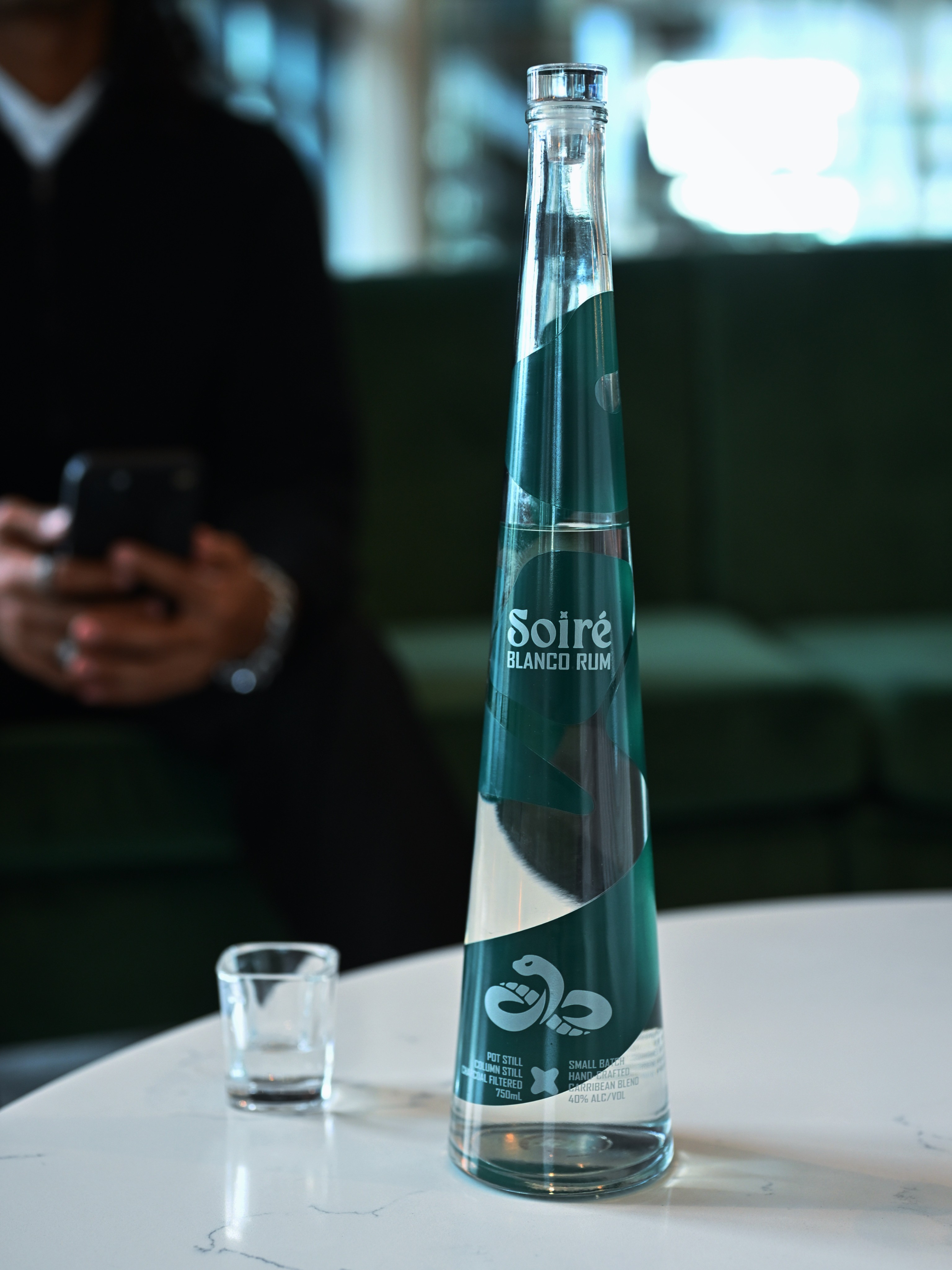
SOIRÉ Blanco was built with this exact gap in mind.
A rum that does not lean on sweetness. A bottle that does not rely on nostalgia. A profile that works in a highball, a cocktail, or neat without needing to change its personality.
The goal is not to compete with the past.
The goal is to move past it.
Every great spirits category has had this moment. A moment where a new generation decides that what came before is a foundation, not a ceiling.
Rum is having that moment now.
The brands that win will be the ones that stop selling the idea of rum and start selling the reality of it.